
Immersive Learning and Business Adaptability
Realistic Simulations That Transform Learning
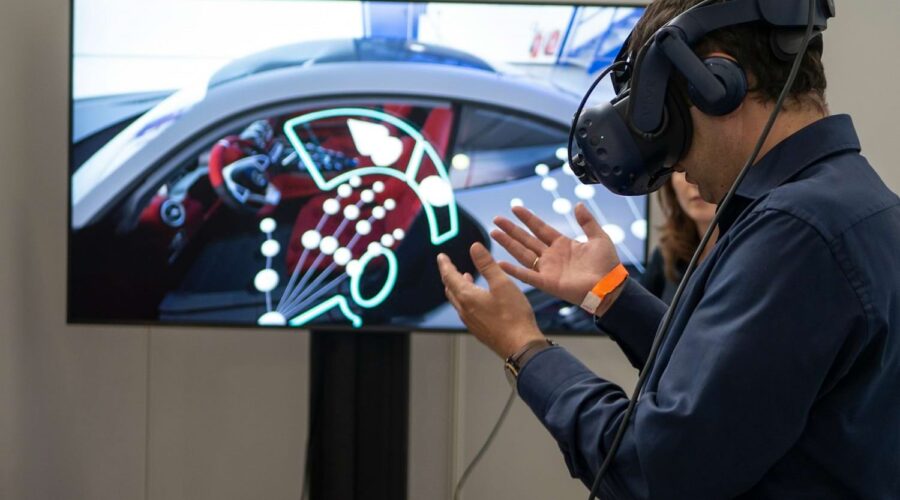
Modern organizations increasingly seek learning solutions that go beyond passive knowledge transfer and instead focus on real skill acquisition. VR training answers this need by placing learners inside realistic, interactive simulations that mirror real working conditions. Employees can practice procedures, decision-making, and problem-solving in a safe environment where mistakes become learning opportunities rather than costly failures. This immersive approach improves concentration and emotional engagement, which directly influences knowledge retention and practical readiness. Compared to classroom sessions or static e-learning modules, virtual simulations create a sense of presence that encourages active participation and faster competence development.
Customization Aligned with Industry Needs
Another major advantage lies in flexibility. VR training environments can be designed and adjusted to reflect very specific operational realities, whether in healthcare, manufacturing, logistics, or technical services. Companies can model their own machinery, workflows, and risk scenarios, ensuring that learning objectives remain closely aligned with daily tasks. This level of customization allows training programs to evolve alongside organizational changes, new regulations, or updated technologies. As a result, learning content remains relevant over time and supports consistent standards across departments and locations.
Long-Term Value and Future Potential
Scalability and Measurable Return on Investment
From a financial perspective, VR Training delivers clear long-term value. While initial implementation requires planning, the reduction in recurring costs quickly becomes visible. Travel expenses, printed materials, and instructor-led sessions can be significantly limited, especially in organizations with distributed teams. Once developed, virtual scenarios can be reused and scaled to train large numbers of employees without compromising quality. This consistency ensures that every participant receives the same experience, regardless of location, supporting global workforce alignment and predictable learning outcomes.
Versatility and Technological Evolution
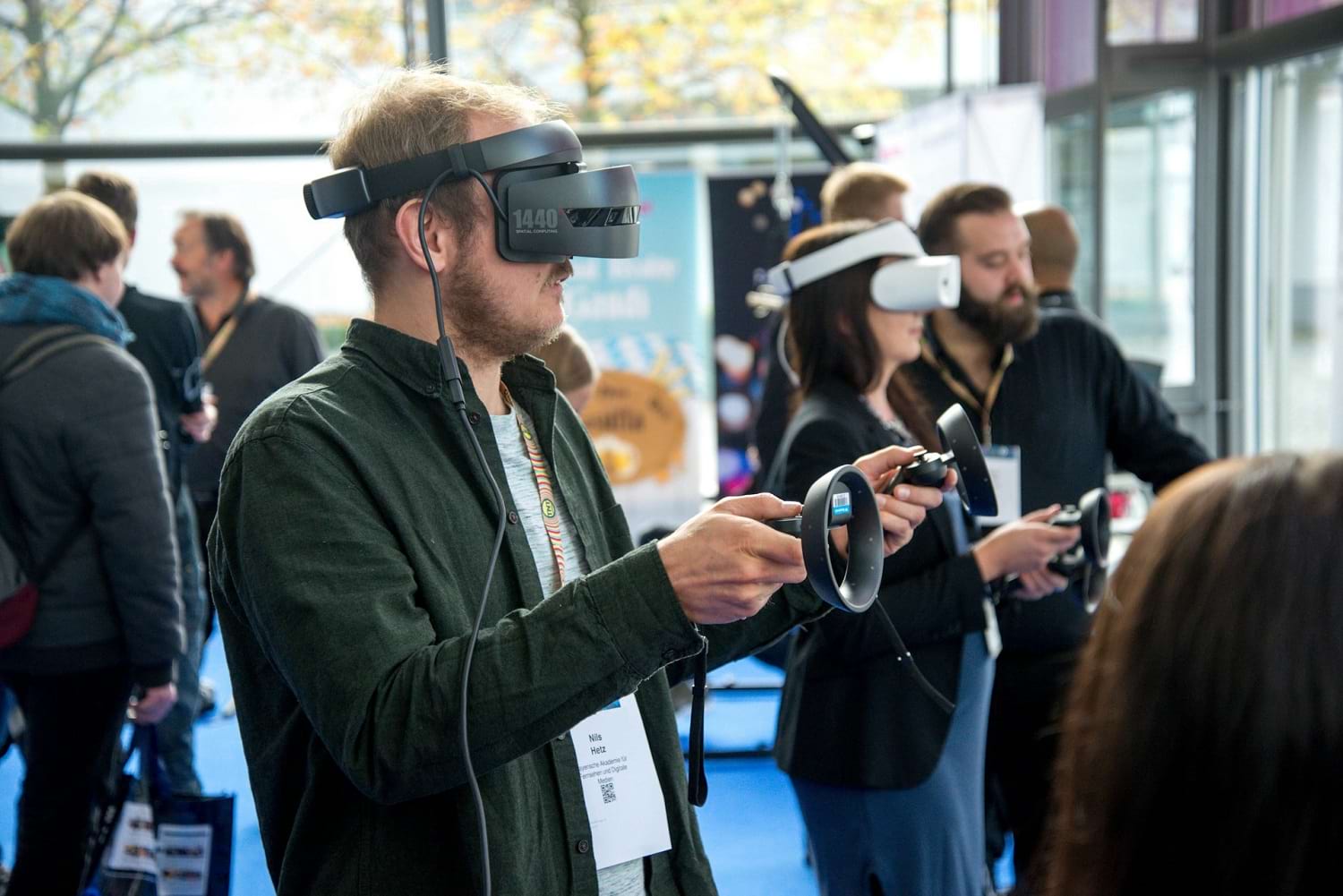
The versatility of VR training makes it suitable for a wide range of applications, from onboarding and safety instruction to advanced technical procedures. Its future potential is equally compelling, as integration with artificial intelligence and haptic feedback continues to expand. Intelligent systems can adapt scenarios to individual performance, while tactile feedback enhances realism and muscle memory. These developments position VR training not only as a current solution for skill development, but also as a forward-looking investment that grows in value alongside technological progress and organizational ambition.
